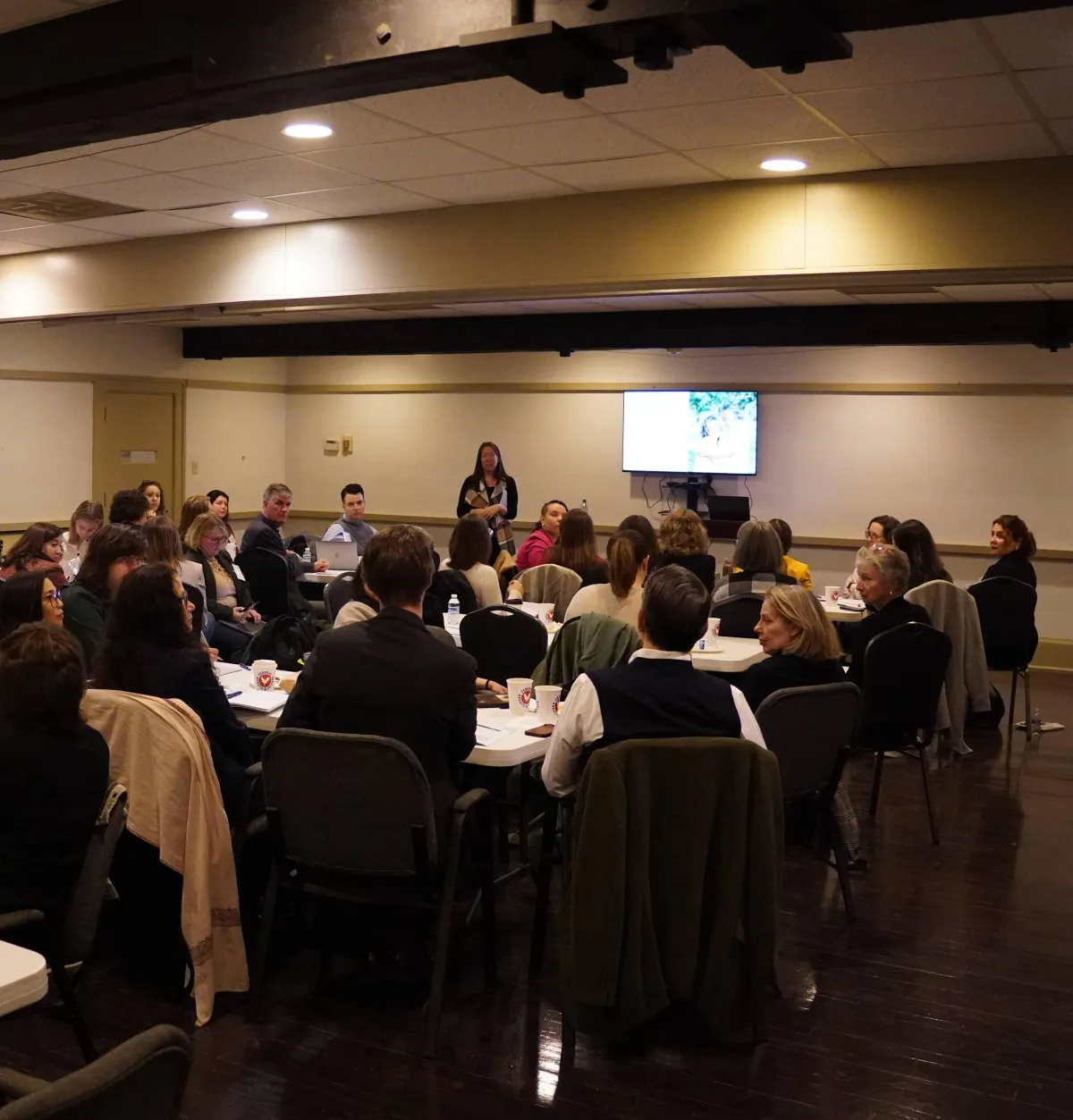
From First Meeting to Major Gift Commitment
From First Meeting to Major Gift Commitment: Managing the Complete Donor Journey
Major gifts rarely happen because of a single conversation. They are the result of a carefully managed relationship built over time through trust, meaningful engagement, and a clear understanding of a donor's motivations. Whether you are leading a nonprofit organization, serving on a development team, or building a fundraising strategy from the ground up, understanding the complete donor journey is essential for long term success.
At Hey Fundraiser, I often discuss the reality that major gift fundraising is not about asking for money at the right moment. It is about guiding a donor through a thoughtful process that helps them connect their values with your mission. Every interaction contributes to that journey, and every stage deserves attention.
Understanding the Donor Journey
The donor journey begins long before a major gift conversation takes place. It starts when a prospective donor first becomes aware of your organization and continues through cultivation, solicitation, stewardship, and ongoing partnership.
Many organizations focus heavily on the ask itself, but successful fundraisers understand that the commitment is simply the outcome of a much larger process. When every stage is managed intentionally, donors feel respected, informed, and inspired to make transformational investments.
The most successful major gift programs create experiences that allow donors to gradually deepen their connection to the mission while building confidence in the organization's leadership and impact.
The First Meeting Sets the Foundation
The first meeting is one of the most important moments in the donor journey. It is not a sales pitch. It is an opportunity to listen.
During an initial conversation, I focus on learning as much as possible about the donor. Their philanthropic history, personal values, professional background, family priorities, and community interests all provide valuable insight into what motivates them.
This stage requires curiosity rather than persuasion. Donors appreciate fundraisers who genuinely want to understand their interests instead of immediately discussing financial support.
Strong first meetings often leave both parties with a clearer understanding of potential alignment. Even if no immediate opportunity emerges, the relationship has begun on a foundation of trust.
Building Meaningful Relationships Through Cultivation
After the first meeting, cultivation becomes the primary focus. This stage involves creating opportunities for deeper engagement while continuing to learn about the donor's interests.
Effective cultivation is highly personalized. Different donors engage in different ways. Some prefer intimate conversations with leadership. Others want behind the scenes access to programs, direct interaction with beneficiaries, or invitations to strategic planning discussions.
The goal is not to overwhelm donors with information. Instead, it is to provide meaningful experiences that help them see the organization's mission in action.
Consistent communication is essential during this phase. Regular updates, thoughtful outreach, and relevant opportunities for involvement demonstrate that the relationship extends beyond fundraising objectives.
As trust grows, donors begin to view themselves as partners rather than supporters.
Identifying the Right Major Gift Opportunity
One of the most common mistakes in fundraising is presenting opportunities that do not align with a donor's interests.
Successful major gift fundraising requires matching donor passions with organizational priorities. This alignment creates a compelling reason for investment because donors can clearly see how their contribution will advance causes they care about deeply.
Throughout cultivation, valuable clues emerge regarding a donor's priorities. Conversations, questions, previous giving history, and engagement patterns all provide information that can guide future proposals.
When the right opportunity is identified, the donor is more likely to see the gift as a meaningful investment rather than simply a financial transaction.
Preparing for the Solicitation
A successful solicitation begins long before the formal ask.
Preparation involves understanding the donor's capacity, interests, timing, and preferred communication style. It also requires clarity regarding the specific funding opportunity and the impact the gift will create.
The strongest solicitations are grounded in evidence and vision. Donors want to know exactly how their investment will be used and what outcomes it will help achieve.
Internal preparation is equally important. Leadership teams, board members, and fundraising staff should be aligned on strategy, messaging, and next steps.
When preparation is thorough, the solicitation conversation feels natural rather than forced.
Making the Ask With Confidence
The solicitation itself should be direct, respectful, and focused on impact.
Many fundraisers experience anxiety around asking for significant gifts, but donors generally appreciate clarity. They want to understand the opportunity, the financial commitment being requested, and the difference their support can make.
A strong solicitation connects the donor's interests with a compelling vision for the future. Rather than emphasizing organizational needs alone, it highlights the donor's potential role in creating meaningful change.
Silence is often one of the most valuable tools during this conversation. After presenting the opportunity and making the request, allowing space for reflection demonstrates confidence and respect.
Whether the donor responds immediately or requests additional time, maintaining a thoughtful and professional approach is essential.
Navigating Questions and Decision Making
Major gift decisions often involve careful consideration. Donors may seek additional information, consult family members, or evaluate multiple philanthropic opportunities.
This stage requires patience and responsiveness.
Providing clear answers, supplemental materials, and additional opportunities for discussion helps donors make informed decisions. Transparency strengthens trust and reinforces confidence in the organization.
Fundraisers should avoid creating unnecessary pressure. Significant philanthropic investments deserve thoughtful consideration, and donors appreciate organizations that respect their decision making process.
Celebrating the Commitment
Receiving a major gift commitment is a significant milestone, but it is not the end of the journey.
Acknowledgment should be prompt, sincere, and personalized. Donors deserve recognition that reflects the significance of their investment and the partnership they have established with the organization.
Celebrating the commitment also reinforces the donor's confidence in their decision. It demonstrates gratitude while highlighting the meaningful impact their support will create.
At this stage, clear communication regarding implementation, reporting, and ongoing engagement helps establish expectations for the future relationship.
Stewardship Creates Long Term Partnerships
Exceptional stewardship transforms one time major donors into lifelong partners.
Donors want to see the results of their investment. They want evidence that their gift is making a difference and contributing to measurable outcomes.
Regular updates, impact reports, personal conversations, and opportunities to witness progress firsthand help maintain strong relationships. Stewardship should be continuous rather than occasional.
Organizations that excel in stewardship often experience higher donor retention, increased giving, and stronger advocacy from supporters.
When donors feel connected to outcomes, they are more likely to remain engaged and continue investing in the mission.
Turning Major Donors Into Mission Ambassadors
The most successful donor relationships extend beyond financial support.
Major donors often become ambassadors, advocates, and connectors who introduce new supporters, share organizational stories, and expand fundraising networks.
These relationships are built through trust, transparency, and mutual respect. Donors who feel valued and informed frequently become some of the organization's strongest champions.
Creating opportunities for meaningful involvement beyond financial contributions allows these partnerships to grow naturally over time.
Managing the complete donor journey requires intention, patience, and a genuine commitment to relationship building. From the first meeting through cultivation, solicitation, commitment, and stewardship, every stage contributes to a donor's experience and willingness to invest in your mission.
The strongest major gift programs recognize that fundraising is fundamentally about people. When donors feel understood, respected, and connected to meaningful impact, major gift commitments become the natural outcome of a well managed relationship.
Through the conversations I share at Hey Fundraiser and the strategies I explore with fundraising professionals, one principle remains consistent: successful major gift fundraising is not about moving donors through a pipeline. It is about guiding individuals through a meaningful journey that aligns their values with lasting impact. By focusing on every stage of that journey, I can create stronger partnerships, deeper engagement, and greater fundraising success for years to come.
