The Connection Between Donor Trust and Major Gift Success
The Connection Between Donor Trust and Major Gift Success
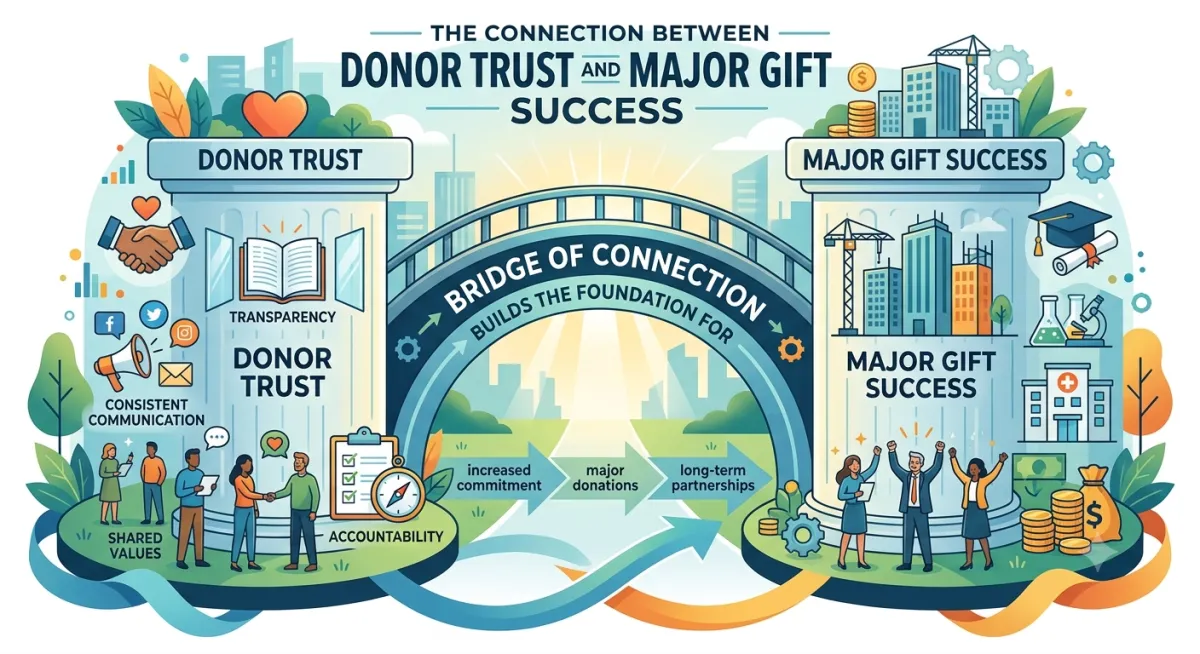
Major gifts are rarely the result of a single conversation or a well written proposal. They develop through meaningful relationships built on consistency, transparency, and genuine communication. While fundraising strategies, campaigns, and events all contribute to donor engagement, trust remains the factor that influences whether a donor is willing to make a transformational investment. When supporters believe in the mission and feel confident that their contributions are handled responsibly, they become far more willing to commit significant financial resources.
At Hey Fundraiser, I understand that every meaningful donor relationship begins with trust rather than solicitation. My approach focuses on creating authentic connections that help supporters feel valued, informed, and respected throughout their giving journey. By strengthening donor confidence, I help organizations establish the foundation needed for long term major gift success.
Why Trust Matters More Than Any Fundraising Technique
Fundraising techniques can capture attention, but trust determines whether donors continue their relationship with an organization. Major donors often invest substantial amounts of money because they believe their contribution will produce measurable and lasting impact. Before making that commitment, they carefully evaluate the organization's credibility, leadership, communication, and financial stewardship.
Trust reduces uncertainty and helps donors feel comfortable making larger commitments. It assures them that their investment will be managed responsibly and aligned with the mission they care about. Organizations that consistently demonstrate integrity naturally create stronger donor confidence over time.
Building trust also creates emotional security. Donors want to know they are partnering with people who genuinely appreciate their generosity instead of viewing them solely as funding sources. This emotional connection frequently becomes the driving force behind significant charitable giving.
Understanding the Mindset of Major Donors
Major donors often approach philanthropy with thoughtful planning rather than impulsive generosity. They spend time researching organizations, reviewing financial reports, and evaluating leadership before deciding where to direct substantial gifts. Many also seek evidence that their support will create meaningful and measurable outcomes.
These donors appreciate honest conversations more than polished sales presentations. They value transparency about challenges as much as they value success stories because openness demonstrates authenticity. When organizations communicate honestly, donors gain confidence that they are receiving accurate information rather than carefully crafted marketing messages.
Relationships also play an important role in their decision making process. Many major donors continue supporting organizations because they trust the people behind the mission. Personal relationships often become just as influential as the cause itself.
Transparency Builds Lasting Confidence
Transparency is one of the strongest indicators of organizational trustworthiness. Donors appreciate knowing how funds are allocated, what objectives are being pursued, and what results have been achieved. Open communication demonstrates accountability and reinforces confidence in the organization's leadership.
Sharing both achievements and obstacles strengthens credibility. Every nonprofit encounters challenges, and acknowledging them honestly shows maturity and responsibility. Donors generally understand that meaningful work involves obstacles, but they expect organizations to communicate openly about how those challenges are being addressed.
Financial transparency is equally important. Clear reporting on budgets, project costs, and measurable outcomes helps eliminate uncertainty. When donors consistently receive accurate information, they become more comfortable considering larger future contributions.
Consistent Communication Strengthens Relationships
Trust develops through ongoing communication rather than occasional fundraising appeals. Regular updates help donors remain connected to the mission and demonstrate that the organization values the relationship beyond financial support. These updates remind supporters that their generosity continues to make a meaningful difference.
Consistent communication also creates opportunities for education. Donors gain a deeper understanding of programs, beneficiaries, and long term goals when organizations share relevant stories and progress reports throughout the year. This broader perspective often strengthens their emotional investment.
Personalized communication further enhances donor confidence. Recognizing individual interests, previous contributions, and philanthropic priorities shows genuine appreciation. Donors who feel understood are more likely to maintain long term engagement and consider larger gifts.
Accountability Creates Greater Giving Confidence
Accountability extends beyond publishing annual reports. It involves consistently demonstrating that commitments are fulfilled and donor expectations are respected. Organizations that follow through on promises establish a reputation for reliability.
When donors receive updates showing exactly how their contributions supported meaningful outcomes, they gain reassurance that their investment was worthwhile. This confirmation reduces hesitation when future giving opportunities arise. Confidence built through accountability often leads to increased generosity.
Leadership accountability also contributes significantly to donor trust. Strong governance, ethical decision making, and responsible financial management reassure donors that the organization is well positioned to achieve its mission over the long term.
Authentic Relationships Lead to Larger Gifts
Major gifts rarely emerge from transactional interactions. They result from authentic relationships built over months or even years. Donors want to feel that they are respected partners whose perspectives and values matter within the organization's broader mission.
Listening is one of the most effective ways to build these relationships. Understanding a donor's motivations, interests, and philanthropic goals allows organizations to create meaningful conversations instead of generic fundraising requests. Genuine curiosity demonstrates respect and encourages stronger engagement.
Authentic relationships also involve celebrating shared successes. When donors see the real world impact of projects they helped support, they develop greater confidence in the partnership. This positive reinforcement often inspires continued generosity.
Demonstrating Impact Reinforces Trust
Every major donor wants evidence that their contribution creates tangible results. Impact reporting allows organizations to transform numbers into meaningful stories that illustrate real change. Both quantitative data and personal experiences help donors understand the value of their investment.
Sharing success stories strengthens emotional engagement while measurable outcomes reinforce credibility. Together, they provide a balanced picture that appeals to both the heart and the mind. Donors appreciate seeing how financial resources translate into lasting community benefits.
Impact reporting should remain consistent throughout the donor relationship rather than appearing only during fundraising campaigns. Continuous updates remind supporters that their generosity continues to produce meaningful outcomes long after the initial gift.
Stewardship Is More Than Saying Thank You
Effective stewardship extends far beyond acknowledgment letters and appreciation events. It reflects an organization's ongoing commitment to maintaining meaningful relationships with its supporters. Every interaction contributes to the donor's overall perception of the organization.
Timely follow up, personalized communication, and thoughtful recognition demonstrate respect for each donor's contribution. These efforts communicate that supporters are valued as partners rather than financial resources. Strong stewardship strengthens loyalty and encourages future giving.
Stewardship also creates opportunities for continued dialogue. As relationships deepen, organizations gain a better understanding of donor interests and aspirations. This knowledge allows future fundraising conversations to become more meaningful and relevant.
Building Organizational Credibility
Trust depends not only on personal relationships but also on institutional credibility. Strong leadership, responsible governance, financial stability, and a clear mission all contribute to donor confidence. Every interaction should reinforce the organization's commitment to ethical practices and measurable impact.
Professional communication materials, accurate financial reporting, and consistent branding help establish credibility. While appearance alone cannot create trust, professionalism supports the perception of organizational competence. Donors often evaluate these details when considering significant financial commitments.
Reputation within the community also influences donor confidence. Positive experiences shared by volunteers, beneficiaries, and existing supporters strengthen credibility through independent validation. A strong reputation makes relationship building more effective.
How Trust Supports Long Term Fundraising Growth
Trust generates benefits that extend beyond individual major gifts. Donors who have confidence in an organization often become long term advocates, introducing friends, family members, and professional networks to the cause. Their recommendations frequently carry greater influence than traditional marketing efforts.
Trusted relationships also improve donor retention. Instead of focusing solely on acquiring new supporters, organizations can strengthen existing relationships that continue producing sustainable financial support over many years. This stability provides greater confidence for future planning and program expansion.
Long term trust creates resilience during challenging periods as well. Donors who believe in the organization's leadership are often more willing to continue providing support even when economic conditions become uncertain or fundraising becomes more competitive.
Major gift fundraising is fundamentally about relationships built on trust, credibility, and shared purpose. Donors who believe in an organization's integrity are far more likely to make transformational investments that advance its mission. Every interaction, from the first introduction to ongoing stewardship, contributes to building that confidence over time.
At Hey Fundraiser, I believe trust is the foundation that supports every successful major gift strategy. By focusing on transparency, accountability, authentic communication, and meaningful donor relationships, I help organizations create lasting partnerships that inspire generosity. Hey Fundraiser remains committed to helping nonprofits strengthen donor confidence because lasting trust consistently leads to lasting philanthropic success.
